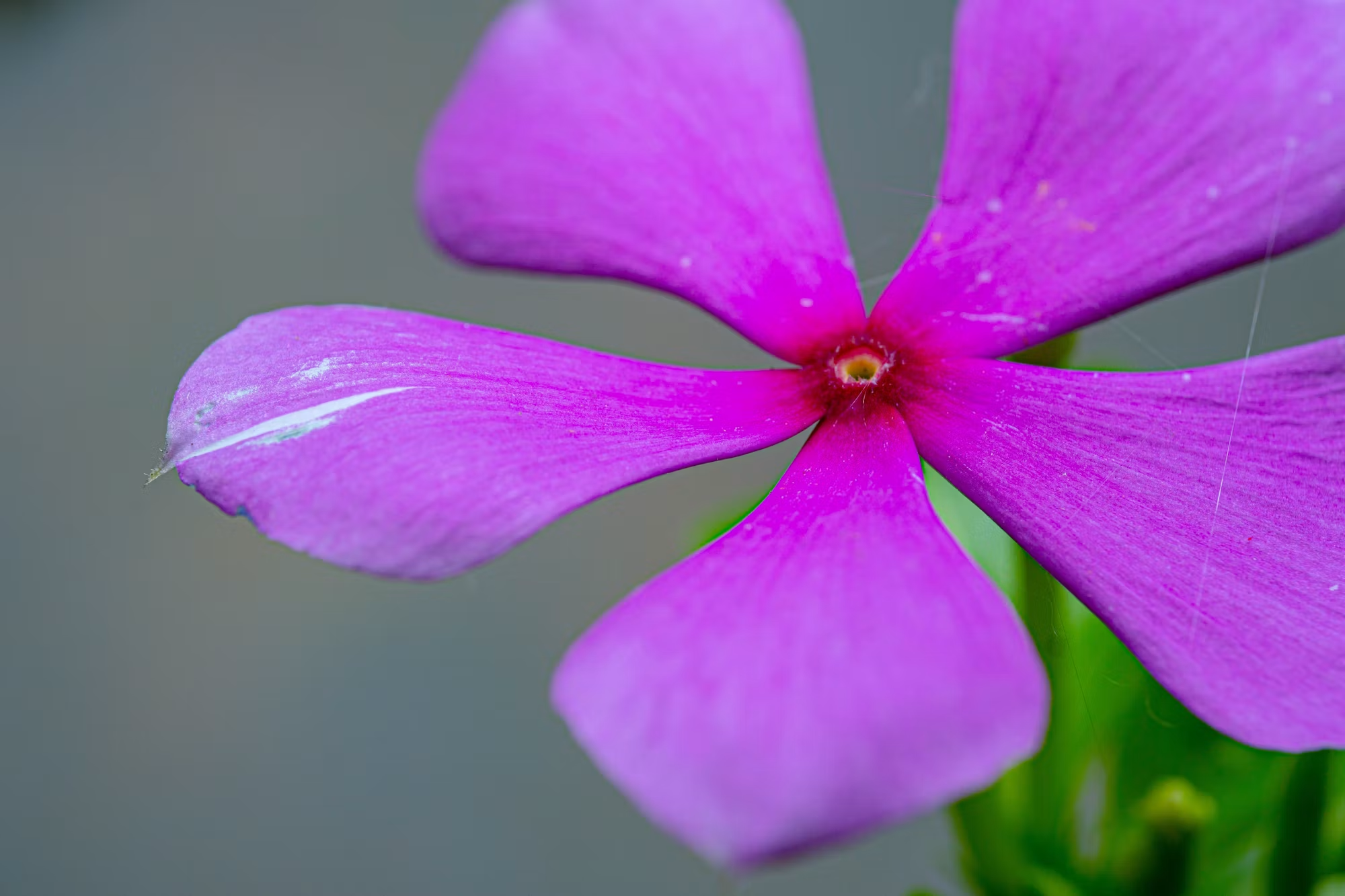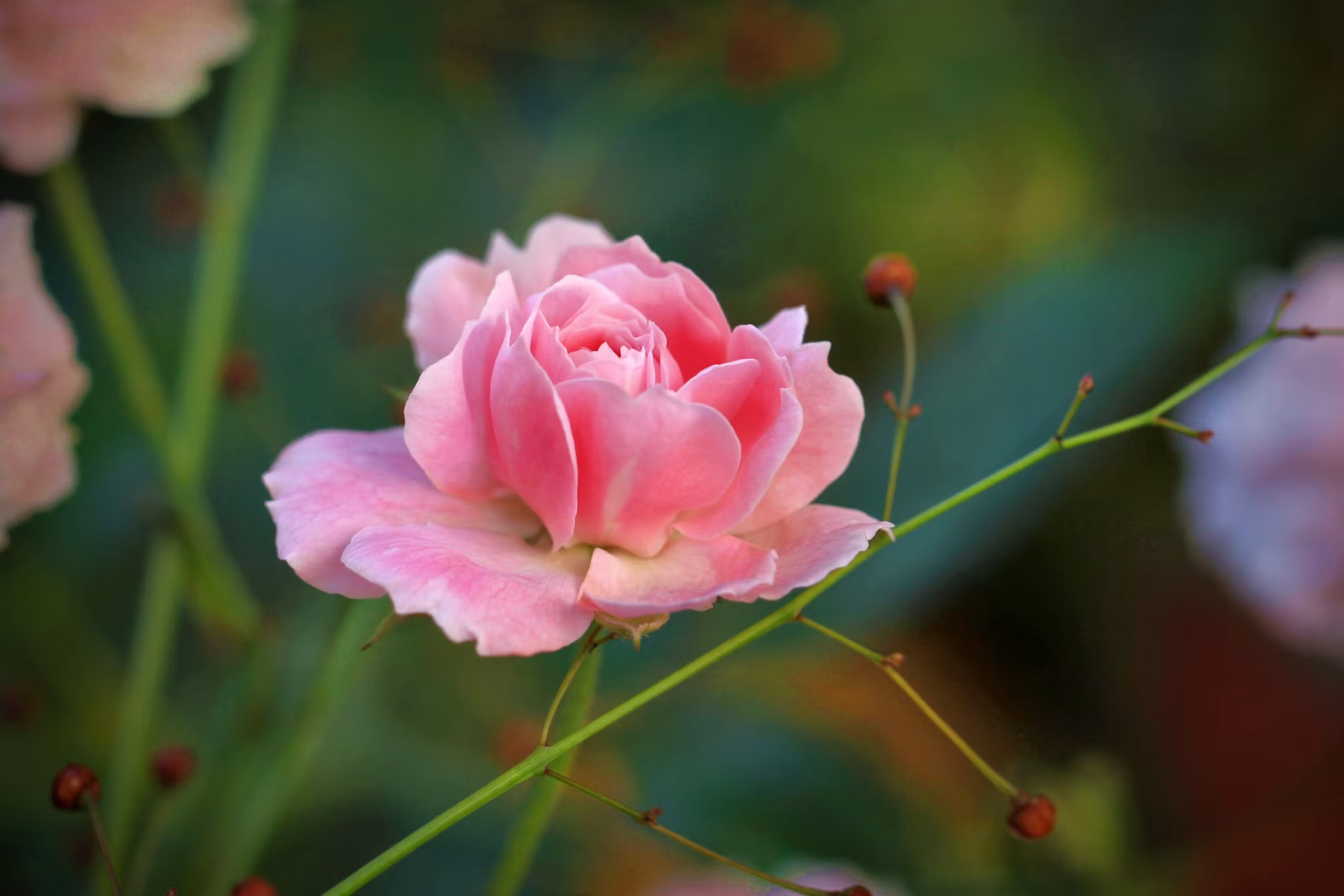
Herbs are not only essential in culinary practices but also offer captivating floral displays that can elevate any garden. Flowering herbs combine beauty and utility, showcasing vibrant blooms that attract pollinators while providing flavorful additions to our meals. This article delves into the enchanting world of flowering herbs, exploring their various types, benefits, and the joy they bring to our gardens and kitchens.
The Charm of Flowering Herbs
Flowering herbs, such as basil, thyme, rosemary, and chives, provide an array of benefits beyond their culinary uses. When allowed to bloom, these herbs produce flowers that are not only visually appealing but also serve critical roles in the garden ecosystem. These blooms often attract beneficial insects, including bees and butterflies, enhancing pollination and supporting biodiversity. Additionally, many flowering herbs can be utilized in culinary dishes, providing both aesthetics and flavor to our meals.
Basil is one of the most popular flowering herbs, known for its aromatic leaves and stunning flowers. When basil bolts, it produces delicate purple or white flowers that not only add beauty to the garden but also signal the herb’s peak flavor. Culinary enthusiasts often pinch back these flowers to encourage bushier growth, but allowing them to bloom can create an enchanting visual display while still providing culinary delight.
Types of Flowering Herbs
There is a wide variety of flowering herbs to explore, each with its unique characteristics and flavors. Among the most beloved are:
1. Basil: As mentioned, basil produces lovely purple flowers. Its leaves are essential in cuisines around the world, especially in Mediterranean and Asian dishes.
2. Thyme: This hardy herb boasts tiny purple flowers that bloom in clusters, attracting pollinators. Thyme’s leaves are fragrant and often used in savory dishes.
3. Rosemary: With its needle-like leaves and blue flowers, rosemary is a versatile herb known for its culinary applications, particularly in roasted dishes and marinades.
4. Chives: Chives produce beautiful purple globes of flowers that are not only attractive but also edible. The mild onion flavor of chives enhances salads, soups, and garnishes.
5. Lavender: Renowned for its stunning purple blooms and soothing fragrance, lavender is both a culinary herb and a popular choice for aromatherapy and crafting.
6. Sage: Sage’s soft leaves and purple flowers add a touch of elegance to gardens, and its robust flavor complements a variety of dishes.
Each of these herbs offers unique flavors and aesthetic appeal, making them ideal for gardens or containers. Mixing these flowering herbs with other plants creates a vibrant tapestry of colors, shapes, and fragrances, enhancing the overall garden experience.
Culinary Applications
The beauty of flowering herbs extends into the kitchen, where their blooms and leaves can elevate dishes. For example, basil flowers can be used to garnish salads or infused into oils and vinegars, imparting a subtle flavor. Thyme flowers can be sprinkled over roasted vegetables for an extra touch of elegance, while chive flowers can add a pop of color to salads and dishes.
Herbs like lavender can also be incorporated into desserts, providing unique flavors in cakes, cookies, and syrups. The fragrant aroma of lavender adds a delightful twist, making ordinary treats extraordinary. Exploring the culinary potential of flowering herbs opens a world of creativity, inspiring home cooks to experiment and innovate.
Ecological Benefits
Beyond their aesthetic and culinary appeal, flowering herbs offer significant ecological benefits. By planting these herbs in gardens, we can attract and support beneficial insects and pollinators. Bees, butterflies, and even hummingbirds are drawn to the colorful blooms, which provide vital resources for their survival.
Additionally, flowering herbs can promote biodiversity by creating habitats for various species. By incorporating a variety of flowering herbs, gardeners can cultivate a balanced ecosystem that encourages healthy interactions between plants, insects, and wildlife. This interconnectedness is crucial for maintaining a thriving garden environment and enhancing overall ecosystem health.
Creating a Flowering Herb Garden
Designing a flowering herb garden can be a rewarding endeavor. Start by selecting a sunny location with well-drained soil, as most herbs thrive in bright light and good drainage. Consider incorporating a mix of flowering herbs to create visual interest and attract a variety of pollinators. Grouping herbs with similar growing conditions can also simplify maintenance and care.
When planning your garden, consider the height and growth habits of different herbs. Taller herbs like rosemary can be positioned toward the back of the garden bed, while shorter varieties like chives can fill in the front. This layering creates a visually appealing arrangement and ensures that all plants receive adequate sunlight.
Incorporating companion planting techniques can also enhance the growth and flavor of your herbs. For example, planting basil near tomatoes can improve tomato flavor while deterring pests. Similarly, pairing flowering herbs with vegetables can create a mutually beneficial environment that promotes health and productivity.
Caring for Flowering Herbs
Proper care is essential for maintaining a flourishing flowering herb garden. Regular watering, especially during dry spells, is crucial for young plants. Most herbs prefer consistent moisture, but it’s important not to overwater, as this can lead to root rot. Mulching around the base of plants can help retain moisture and suppress weeds.
Pruning is another essential aspect of herb care. Regularly harvesting leaves encourages bushier growth and prevents plants from becoming leggy. For flowering herbs, pinching back flowers can help maintain leaf production, although allowing some to bloom can create a beautiful display.
Harvesting and Preserving
Harvesting flowering herbs at their peak ensures maximum flavor and aroma. The best time to harvest is in the morning after the dew has dried but before the sun is too strong. This timing helps preserve essential oils and flavors. Use clean scissors or shears to snip off leaves or flowers, taking care not to remove more than one-third of the plant at a time to promote healthy regrowth.
Preserving flowering herbs can extend their culinary potential. Drying, freezing, or making herb-infused oils can help retain their flavors for future use. For example, drying lavender can create fragrant sachets, while frozen basil can be blended into pesto for winter meals. Experimenting with preservation techniques allows home cooks to enjoy the benefits of their herb garden throughout the year.
Conclusion
The enchanting world of flowering herbs offers a delightful blend of beauty, flavor, and ecological benefits. By incorporating these herbs into our gardens and kitchens, we can create vibrant spaces that attract pollinators, enhance culinary creations, and contribute to the health of our local ecosystems. Whether you’re an experienced gardener or a culinary novice, exploring the charm of flowering herbs can inspire creativity and a deeper appreciation for the natural world. Embrace the allure of flowering herbs, and let their beauty and utility flourish in your life.